
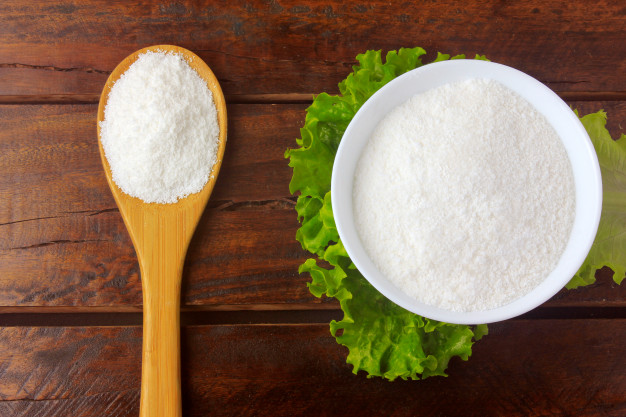
Collagen, often referred to as the body’s unsung hero, is a remarkable protein that plays a pivotal role in maintaining our health and youthful appearance. In this article, we will delve into the world of collagen, exploring its diverse functions, types, and the numerous benefits it offers. Discover why collagen supplementation is gaining popularity and how it can transform your well-being. Plus, find the best sources of collagen supplements in our online shop, here.
The Essence of Collagen
Collagen’s Abundance: To grasp the significance of collagen, consider this: it accounts for roughly one-third of the total protein composition in the mammalian body. This versatile protein is not limited to a single role; it’s a family of proteins that serve as the primary structural components of connective tissues. These tissues encompass skin, cartilage, ligaments, and tendons, providing the foundation for our physical structure.
Beyond the Basics: Collagen’s influence extends far beyond these fundamental tissues. It is also found in bones, muscles, blood vessels, corneas, and teeth. This extensive presence underscores its importance in maintaining the body’s integrity.
The Collagen Chain: At its core, collagen is a protein composed of amino acids. These amino acids form a unique triple-helix structure, much like the intertwined strands of a rope, creating robust fibers that fortify our body’s architecture. This intricate arrangement lends strength, resilience, and elasticity to the tissues it comprises.

Unveiling the Collagen Types
Diversity of Collagen: Not all collagen is created equal. In fact, there are sixteen different types, each with distinct functions. However, the majority of collagen falls under five primary categories:
Type I Collagen: This dominant type accounts for approximately 90% of your body’s collagen. It consists of densely packed fibers and plays a crucial role in shaping skin, fortifying bones, supporting tendons, and providing structure to fibrous cartilage, connective tissues, and teeth.
Type II Collagen: Contrasting with the densely packed fibers of Type I, Type II collagen features loosely arranged fibers. It primarily resides in cartilage, contributing to its flexibility and shock-absorbing properties.
Type III Collagen: Found in diverse locations, including muscles, organs, bone marrow, and lymphoid tissues, Type III collagen is versatile and aids in the proper functioning of these vital systems.
Type IV Collagen: This type forms the foundation of basement membranes, which are thin sheets of collagen enveloping various tissues. These membranes are essential for maintaining tissue integrity and function.
Type V Collagen: Type V collagen finds its place in hair and cell surfaces, playing a role in the health of these structures.
The Collagen Creation Process
Building Blocks: Collagen is not merely a static component of our bodies; it’s dynamic and ever-changing. The body naturally manufactures collagen by breaking down dietary proteins into amino acids. Two particular amino acids, glycine and proline, are essential for this process, along with the assistance of vitamin C.
Food Sources: Proline-rich foods include egg whites, wheat germ, dairy products, cabbage, asparagus, and mushrooms. Glycine can be sourced from animal skin and gelatin. These dietary components are critical to maintaining healthy collagen reserves.

Collagen’s Role in Health and Aging
The Glue of Youth: Collagen, often referred to as the “glue” of the body, owes its name to the Greek word “kólla,” meaning glue. As we age, our body’s natural collagen production declines, resulting in less firm and supple skin. Additionally, cartilage weakens, making us more susceptible to injuries and contributing to conditions like joint dysplasia and arthritis.
Collagen Depletion: In our fast-paced world, stress and inadequate nutrition deplete collagen reserves at an accelerated rate. Short-term consequences include unhealthy skin, weakened bones and joints, compromised digestion, and a sluggish immune system. Over time, these issues can evolve into wrinkled skin, osteoarthritis, joint dysplasia, and conditions like “leaky-gut” syndrome.
Collagen-Depleting Factors: Various common habits and ailments in modern society actively contribute to collagen breakdown. These include excessive sugar and refined carb consumption, prolonged sun exposure, smoking, arthritis, rigorous activities, recurring injuries, and autoimmune diseases.
Replenishing Collagen Reserves
Supplementation: The good news is that collagen reserves can be replenished through supplementation. Collagen supplements offer a host of benefits, ranging from improved skin health to enhanced joint function. At our online shop, you’ll find a range of collagen products designed to cater to your specific needs.
Hydrolyzed Collagen Peptides: Our hydrolyzed collagen peptides are sourced from 100% natural sources, ensuring high digestibility and bioavailability. In addition to the primary benefits of collagen, these peptides have several additional advantages:
- Fibroblast Cell Growth: Collagen peptides play a vital role in the growth of fibroblast cells, contributing to the body’s structural integrity.
- Digestive Health: Collagen supports proper gastrointestinal tract functioning, aiding in digestion.
- Blood Cell Function: Collagen provides energy for optimal blood cell functioning and serves as an important fuel for immune system cells.
- Anti-Inflammatory Effects: Collagen peptides possess anti-inflammatory properties, promoting natural healing and overall well-being.

Collagen is a remarkable protein that serves as the building block of our body’s structural integrity. Its diverse types and functions influence our health and appearance in profound ways. As collagen production naturally declines with age, supplementation becomes increasingly essential. Explore the online shop to discover our range of collagen products, each offering unique benefits supported by scientific literature. Invest in your health and well-being with collagen supplementation, and witness the transformative effects it can have on your life.