

As we journey through life, aging is an inevitable companion that touches every living being. But, have you ever wondered about the hidden story that unfolds within our cells and molecules as we grow older? The science of aging is a captivating and ever-evolving field, revealing the secrets that govern this incredible voyage. In this article, we’re about to embark on an exploration of the fascinating world of cellular and molecular aging. Before we set sail, we warmly invite you to stay updated on the latest discoveries in the realm of aging science in South Africa by following us on Facebook (Optwel SA) and Instagram (@optwel_sa).
Unveiling the Cellular Wonders of Aging
Deep within the intricate dance of aging, a variety of cellular mechanisms play a role. Some of these mechanisms nudge us closer to aging, while others act as protective guardians.
- The Marvel of Cellular Senescence: Picture cells in your body gradually losing their ability to divide and carry out their functions properly. This phenomenon is known as cellular senescence. It’s often triggered by factors like DNA damage, oxidative stress, and inflammation. Interestingly, cellular senescence initially serves as a protective shield against cancer, but over time, the accumulation of these senescent cells can lead to tissue dysfunction and the onset of age-related diseases.
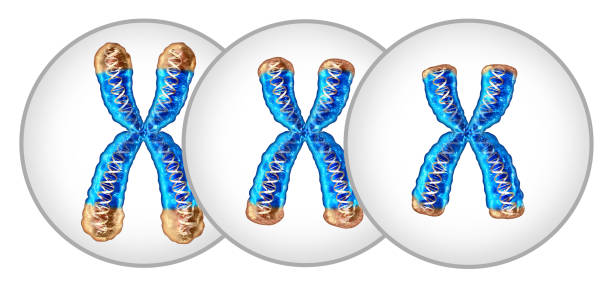
- The Mystery of Telomere Shortening: Think of telomeres as tiny protective caps at the ends of your chromosomes. These caps slowly shrink with each cell division and have been associated with various age-related conditions, such as cardiovascular disease, cancer, and neurodegenerative diseases. When telomeres become too short, cells may either retire or enter a state of senescence.
- The Seven Biological Signposts of Aging: Besides cellular senescence and telomere shortening, there are seven other intriguing biological signposts of aging. These include genomic instability, epigenetic alterations, loss of proteostasis, deregulated nutrient sensing, stem cell exhaustion, mitochondrial dysfunction, and altered intercellular communication. Each of these contributes to the complex aging puzzle.
Unraveling the Molecular Enigma of Aging
At the molecular level, aging is guided by a complex symphony of genetic and biochemical processes, which determine our unique journey through time.
- Advanced Glycation End-Products (AGEs): AGEs are the result of a chemical reaction between the sugars in our diet and proteins and molecules in our bodies. These AGEs can disrupt the structure and function of proteins, causing tissue damage and laying the groundwork for age-related diseases, such as diabetes, cardiovascular disease, and Alzheimer’s.
- The Intrigue of Reactive Oxygen Species (ROS): ROS, generated as by-products of cellular metabolism, can create havoc by damaging proteins, lipids, and DNA. When these damaged macromolecules accumulate, cellular dysfunction and disease follow suit.
- The Excursion into Mitochondrial Mysteries: Mitochondria, often referred to as the “powerhouses” of our cells, generate energy through a process called oxidative phosphorylation. Yet, with the passage of time, mitochondrial function can dwindle, leading to increased oxidative stress, decreased energy production, and cellular damage – all contributors to the aging process and age-related diseases.
- The Tale of Signaling Pathways: Cellular signaling pathways, such as the insulin/insulin-like growth factor-1 (IGF-1) pathway, the mechanistic target of rapamycin (mTOR) pathway, and the sirtuin pathway, play pivotal roles in regulating cellular growth, metabolism, and stress responses. When these pathways lose their balance, aging and age-related diseases gain the upper hand.
Strategies to Slow Down the Aging Clock
While we may not possess a magical elixir to eternal youth just yet, there are encouraging strategies that hint at slowing down the relentless march of time.
- Caloric Restriction: Imagine reducing your calorie intake while still ensuring proper nutrition. Caloric restriction triggers cellular stress response pathways, which spring into action to repair cellular damage and boost resilience. This approach has shown promise by extending lifespans and enhancing the quality of life in various animal models.
- The Saga of Sirtuins: These molecular conductors, known as sirtuins, play a starring role in cellular metabolism and stress responses. They’ve been linked to extending lifespans in specific animal models. Substances like resveratrol, found in red wine, have been explored for their potential to activate sirtuins and potentially slow down aging.
- Genetic and Epigenetic Fine-Tuning: Discover how DNA methylation and histone modifications can influence the aging process. Modifying these genetic and epigenetic elements through genetic or pharmacological means might offer a path to extending our healthy years.
- The Promising Role of Rapamycin: This remarkable substance inhibits a protein called mTOR and has shown potential in extending the lifespan of mice and delaying the onset of age-related diseases.
- Yamanaka Factors and Gene Editing: Picture reprogramming cells using Yamanaka factors, essentially resetting the markers of cellular aging. This approach has extended the lifespans of animals and, although it’s still in its early research stages, it holds exciting promise.
- Hormesis: In recent times, researchers have turned their attention to hormesis. Through non-invasive therapies such as temperature fluctuation therapies, hyperbaric oxygen treatment (HBOT), intermittent fasting, and lifestyle changes, we seem to have the potential to slow down the biological clock. These therapies appear to activate the body’s natural functions at a genetic level, potentially restoring lost biochemical processes due to aging.

In Conclusion
Aging is a wondrous journey, intricately woven from countless cellular and molecular threads. The science of aging is a realm of perpetual evolution, with new discoveries awaiting us at every turn. Here at Optwel, we’re dedicated to unveiling the factors and mechanisms that impact the aging process safely. Our mission is to make the latest interventions available, all in the pursuit of extending the healthy lifespan of our population. We invite you to join us on this awe-inspiring voyage and stay updated with the latest findings in the science of aging in South Africa by following us on Facebook (Optwel SA) and Instagram (@optwel_sa).
As we continue to uncover the enigma of aging and the pursuit of a longer, healthier life, the future promises to be a captivating adventure filled with rejuvenating possibilities!