

In today’s fast-paced world, staying healthy and maintaining our well-being is a top priority for many. The terms “nutraceutical supplements” and “nutraceutical products” are gaining prominence as people seek alternative ways to support their health. But what exactly are nutraceuticals, and how do they relate to pharmaceuticals? Additionally, what sets them apart from everyday vitamins, and which nutraceuticals are considered the best? This article explores these questions and provides insights into the world of nutraceuticals.
The Relationship Between Nutraceuticals and Pharmaceuticals
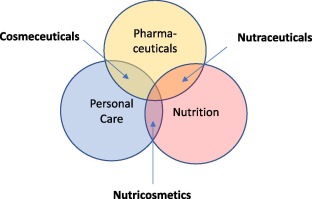
Nutraceuticals and pharmaceuticals, despite their similarities in name, serve different purposes. Pharmaceuticals are designed to treat, manage, or cure medical conditions and diseases. They typically undergo rigorous testing, clinical trials, and are subject to regulatory approval before they reach the market.
On the other hand, nutraceuticals are products that are derived from natural sources, such as herbs, vitamins, minerals, or other bioactive compounds. Some have been known to treat or cure diseases for centuries, but are marketed to provide health benefits when used as part of a healthy diet. This is largely because insufficient investment has been made to run large scale clinical trials prior to regulatory approval, which stems from the fact that naturally occurring molecules can’t be patented by the company or investor. Nutraceuticals can be found in dietary supplements, herbal products, and fortified foods, with the key distinction residing in their intended use and regulation.
Comparing the Side Effects of Pharmaceuticals and Nutraceuticals
When evaluating the use of pharmaceuticals and nutraceuticals, it’s essential to consider potential side effects, especially in the context of liver metabolites and long-term effects. Pharmaceuticals, due to their potent and direct nature, often come with a well-documented list of side effects. These can range from mild discomfort to severe complications, depending on the medication.
In contrast, nutraceuticals, derived from natural sources, are generally regarded as safer. They tend to have fewer adverse effects, making them a popular choice for those seeking to support their health without the risks associated with some pharmaceuticals. However, one should remember that long-term use of nutraceuticals may also have potential interactions or effects, particularly in high doses. It’s important to follow the directions provided on the nutraceutical product, or as advised by a registered health practitioner.
The Difference Between Vitamins and Nutraceuticals
Vitamins are considered nutraceuticals and play essential roles in supporting our overall health. Vitamins are organic compounds that our bodies need in small quantities to function properly. We get vitamins through our diet and our body cannot produce them in sufficient amounts.
Nutraceuticals, however, are more generally isolated compounds or extracts from food sources that have demonstrated health benefits beyond basic nutrition. They are often available in supplemental form, and while some may contain vitamins, they encompass a broader spectrum of bioactive substances. Nutraceutical products can include antioxidants, herbal extracts, amino acids, and more, all aimed at improving specific aspects of health.
The Best Nutraceuticals for Your Well-being
When it comes to selecting the best nutraceutical products, it often depends on individual needs and health goals. Here are a few noteworthy nutraceutical supplements that have gained recognition for their potential health benefits, and have even undergone clinical trials, despite the industry challenges:
- Collagen: Known for promoting healthy skin, hair, and joints, collagen supplements have become increasingly popular for their potential to support the body’s structural proteins.
- Chondroitin and Glucosamine: These compounds are often associated with joint health and may help ease the discomfort associated with conditions like osteoarthritis.
- MSM (Methylsulfonylmethane): MSM is recognized for its potential role in promoting joint health and reducing inflammation.
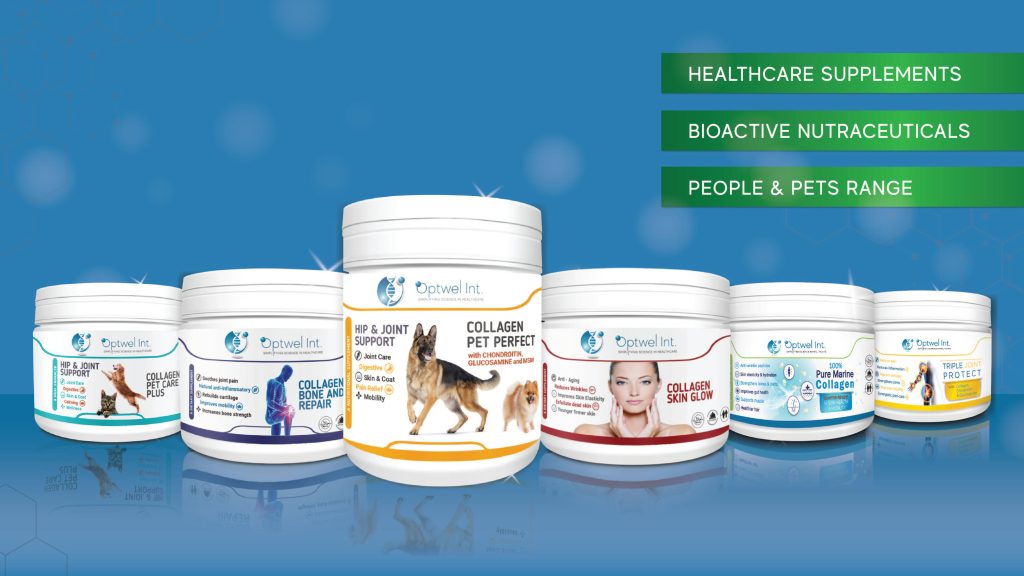
At Optwel, we offer a wide range of nutraceutical products designed to support both people and pets. Our selection includes high-quality collagen, chondroitin, glucosamine, and MSM products, carefully chosen to help you enhance your well-being. We understand the importance of maintaining good health and are committed to providing products that can make a positive impact.
Nutraceutical supplements and products offer a natural and holistic approach to well-being, distinct from pharmaceuticals. It’s essential to remember that while they can complement a healthy lifestyle, they should not replace a balanced diet. Choosing the best nutraceuticals for your health is a personal journey, and it’s always advisable to consult with a healthcare professional before adding any new supplements to your routine.
Explore the selection of expertly formulated nutraceutical products at Optwel’s online shop and take a step toward a healthier and more vibrant you. Your well-being is our priority!
1 thought on “Nutraceutical Products Compared to Pharmaceuticals – a Brief Summary”